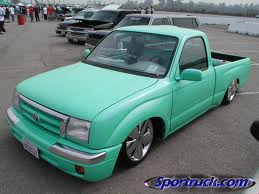
There are several things to consider when thinking about the purchase of a classic car.
Can you afford this purchase? Then think about repairs, if you can't do them yourself it will be expensive as will the parts needed to fix the car.
Speaking of parts, they are often hard to find so your car may be out of commission for long periods of time. Do you have the patience to deal with these delays? If you won't be doing the repairs yourself do you know of a good mechanic who is qualified to work on the classic car you want to buy?
You should have at least $3000 put away for repairs. That sounds like a lot but is actually the minimum suggested by classic car experts.
Are you thinking about doing restoration work? If you plan to do it yourself remember to have enough space allotted for the job. You will need room to take the classic car apart and store it during the restoration.
Will you drive your classic car on public roads? If you are planning to remember that driving situations have changed. Brakes and steering systems were made for a different time. You will need to make adjustments when driving the classic car in today's traffic.
You will need classic car insurance. The classic cars did not come equipped with the anti-theft devices or serial number database of today's cars. The classic cars were not made with security devices.
If you have a "partner" are they supporting you in this endeavor? It will take time and money to make this dream a realization so make sure you have the backing you need. Some couples enjoy this hobby together.
Take time and find the car that is right for you. You may have dreamed about a certain car but now realize that it is too expensive and prone to breakdowns. Modify your search and buy only when you have everything in order. Make certain that this is a decision you can afford.
Buying a classic car can be a great hobby and a dream-come-true but make sure you know what you're doing before you buy!
About The Author
Jeff Anderson knows his cars. He knows what to look for and what pitfalls to avoid. Let him guide you to finding out more about classic cars. Contact him at Jeff@triumphclassiccars.com or visit the blog at his site http://www.triumphclassiccars.com/.

Showing posts with label make. Show all posts
Is A Classic Car Right For You?
Finding Your Dream Car
Thinking about buying a used car? How do you know which car is right for you? It’s all in asking the right questions.
First, ask yourself what you really need in a car. Who will be driving it most of the time? Where will you be driving in? Over what sort of terrain? Do you need a lot of storage space and lots of seating? Are you going to be traveling back and forth over long distances?
What features are an absolute must? Air conditioning, adjustable controls, cruise control?
What safety features you are looking for? Anti-lock brake systems, head injury protection, or child protection equipment?
How much are you willing to spend?
What kind of down payment can you make?
Realistically, what can you afford to pay monthly?
It’s important to know this amount before you even start looking. Then do your research. Check websites, dealerships, and Consumer Reports magazine. Look for reliability and repair ratings as well as safety advice. The website http://www.edmunds.com/ offers pricing information and advice on buying a used car.
Go exploring for that perfect car. Gather as much info as you can on the different makes and models. Check out the retail value, available options, performance, and track record for repairs.
No matter where you buy your used car, be prepared to stand firm. There are a bazillion other cars you could fall in love with. Be willing to walk away from the car if the deal doesn't meet the criteria you laid out earlier. Your ability to negotiate a great deal will increase by leaps and bounds.
Always know the market value of any car you're considering and make your first offer lower. You want a little room to negotiate.
Ask for a detailed vehicle history report and service records from the seller. This report can identify major problems including past accidents, flood damage, and odometer discrepancies. When you decide to buy a car, make sure you get it checked out by a trusted mechanic before you hand over any money. That’s absolutely crucial.
Buying a used car can be one of the most exciting purchases you ever make. Following a few guidelines will ensure that it’s also one of the wisest!
About The Author
Contributed by TheCarSites.com. Visit http://www.thecarsites.com/ for auto articles and news pertaining to the auto industry.
First, ask yourself what you really need in a car. Who will be driving it most of the time? Where will you be driving in? Over what sort of terrain? Do you need a lot of storage space and lots of seating? Are you going to be traveling back and forth over long distances?
What features are an absolute must? Air conditioning, adjustable controls, cruise control?
What safety features you are looking for? Anti-lock brake systems, head injury protection, or child protection equipment?
How much are you willing to spend?
What kind of down payment can you make?
Realistically, what can you afford to pay monthly?
It’s important to know this amount before you even start looking. Then do your research. Check websites, dealerships, and Consumer Reports magazine. Look for reliability and repair ratings as well as safety advice. The website http://www.edmunds.com/ offers pricing information and advice on buying a used car.
Go exploring for that perfect car. Gather as much info as you can on the different makes and models. Check out the retail value, available options, performance, and track record for repairs.
No matter where you buy your used car, be prepared to stand firm. There are a bazillion other cars you could fall in love with. Be willing to walk away from the car if the deal doesn't meet the criteria you laid out earlier. Your ability to negotiate a great deal will increase by leaps and bounds.
Always know the market value of any car you're considering and make your first offer lower. You want a little room to negotiate.
Ask for a detailed vehicle history report and service records from the seller. This report can identify major problems including past accidents, flood damage, and odometer discrepancies. When you decide to buy a car, make sure you get it checked out by a trusted mechanic before you hand over any money. That’s absolutely crucial.
Buying a used car can be one of the most exciting purchases you ever make. Following a few guidelines will ensure that it’s also one of the wisest!
About The Author
Contributed by TheCarSites.com. Visit http://www.thecarsites.com/ for auto articles and news pertaining to the auto industry.
Consider Fuel Efficiency When Buying a Car
When you need to buy your next automobile make sure that fuel economy doesn't get lost in the shuffle. Buying a compact car with good gas mileage is both friendly to the environment and your pocket book. You will enjoy the savings throughout the life of the vehicle.
There is a lot to consider when buying a car. If you are buying a used car the condition of the clutch, brakes, engine and transmission will play a huge role in how much that car will cost to operate. Even minor problems can result in $300 repairs.
With new cars you need to find the make and model that has a proven track record and fits your needs. Make sure that fuel efficiency plays a role in your decision making. If you emerge from the car buying process with a fuel efficient car you will burn up less cash in your tank and have more money to spend on things that matter.
Take advantage of what is known.
When it comes to vehicle maintenance, the one thing you can easily and accurately predict is how much gas you are going to use. Gas prices may fluctuate but most people can spend a week or two logging their gas consumption and get a good idea of how many gallons they use. If you don't already, track your gas consumption so you can use this information when purchasing a car.
Make it the #1 priority.
One way to make sure that fuel efficiency is considered is to start by looking at cars that get good gas mileage. Make it the #1 priority and see where that leads you. The problem with today's car market is car manufacturers know that gas mileage is not a major consideration when purchasing a new vehicle for many U.S. customers.
Crunching the numbers.
When you are evaluating a car's fuel efficiency, ask yourself how long you think you will be driving the car and determine how much gas will cost.
Let's say you want to get a used car for $5,000 and hope to drive it for 5 years. Below are some 5 year gas cost estimates based on driving 15,000 miles per year and buying gas for $1.40 per gallon. If gasoline is more expensive than $1.40, the costs will be even higher.
A Sampling of Used Cars:
1994 Ford Explorer SUV (2WD)
5 year gas estimate = $5525
1994 Honda Accord Sedan
5 year gas estimate = $3885
1994 Honda Civic DX Sedan
5 year gas estimate = $2385
A Sampling of New Cars:
2004 Ford Explorer 2WD
5 year gas estimate = $6175
2004 Honda Accord
5 year gas estimate = $3750
2004 Honda Civic Hybrid
5 year gas estimate = $2235
2004 Toyota Prius Hybrid
5 year gas estimate = $1910
This is a small sampling of cars but you get the picture. Unless you really need an SUV or large truck, you can save a lot of money by buying a fuel efficient compact car. You will sacrifice size and sometimes luxury when choosing fuel economy first. Part of this is because bigger cars and trucks are heavier and will naturally get worse gas mileage. But it is also a function of consumers not worrying about gas mileage when they make a decision on purchasing a new or used car.
A great site for comparing cars fuel economy is http://www.fueleconomy.org/. At http://www.fueleconomy.org/ you can compare numerous makes and models of both new and used cars and set the default gas costs to reflect the current prices. The numbers above are based on a $1.40 regular gas price which is really hard to find right now. In the case of the 1994 Ford Explorer you likely pay as much in gas over a 5 year span as you payed for the vehicle in the first place.
Put fuel economy first and you will find yourself with more money in your pocket.
About The Author
Fisher Swanson is a regular contributer to The ThriftyFun.com News. ThriftyFun publishes information about thrifty living. Send an email to thriftyfunnews-on@thriftyfun.com to subscribe to The ThriftyFun.com News.
http://www.thriftyfun.com/
fisher@thriftyfun.com
There is a lot to consider when buying a car. If you are buying a used car the condition of the clutch, brakes, engine and transmission will play a huge role in how much that car will cost to operate. Even minor problems can result in $300 repairs.
With new cars you need to find the make and model that has a proven track record and fits your needs. Make sure that fuel efficiency plays a role in your decision making. If you emerge from the car buying process with a fuel efficient car you will burn up less cash in your tank and have more money to spend on things that matter.
Take advantage of what is known.
When it comes to vehicle maintenance, the one thing you can easily and accurately predict is how much gas you are going to use. Gas prices may fluctuate but most people can spend a week or two logging their gas consumption and get a good idea of how many gallons they use. If you don't already, track your gas consumption so you can use this information when purchasing a car.
Make it the #1 priority.
One way to make sure that fuel efficiency is considered is to start by looking at cars that get good gas mileage. Make it the #1 priority and see where that leads you. The problem with today's car market is car manufacturers know that gas mileage is not a major consideration when purchasing a new vehicle for many U.S. customers.
Crunching the numbers.
When you are evaluating a car's fuel efficiency, ask yourself how long you think you will be driving the car and determine how much gas will cost.
Let's say you want to get a used car for $5,000 and hope to drive it for 5 years. Below are some 5 year gas cost estimates based on driving 15,000 miles per year and buying gas for $1.40 per gallon. If gasoline is more expensive than $1.40, the costs will be even higher.
A Sampling of Used Cars:
1994 Ford Explorer SUV (2WD)
5 year gas estimate = $5525
1994 Honda Accord Sedan
5 year gas estimate = $3885
1994 Honda Civic DX Sedan
5 year gas estimate = $2385
A Sampling of New Cars:
2004 Ford Explorer 2WD
5 year gas estimate = $6175
2004 Honda Accord
5 year gas estimate = $3750
2004 Honda Civic Hybrid
5 year gas estimate = $2235
2004 Toyota Prius Hybrid
5 year gas estimate = $1910
This is a small sampling of cars but you get the picture. Unless you really need an SUV or large truck, you can save a lot of money by buying a fuel efficient compact car. You will sacrifice size and sometimes luxury when choosing fuel economy first. Part of this is because bigger cars and trucks are heavier and will naturally get worse gas mileage. But it is also a function of consumers not worrying about gas mileage when they make a decision on purchasing a new or used car.
A great site for comparing cars fuel economy is http://www.fueleconomy.org/. At http://www.fueleconomy.org/ you can compare numerous makes and models of both new and used cars and set the default gas costs to reflect the current prices. The numbers above are based on a $1.40 regular gas price which is really hard to find right now. In the case of the 1994 Ford Explorer you likely pay as much in gas over a 5 year span as you payed for the vehicle in the first place.
Put fuel economy first and you will find yourself with more money in your pocket.
About The Author
Fisher Swanson is a regular contributer to The ThriftyFun.com News. ThriftyFun publishes information about thrifty living. Send an email to thriftyfunnews-on@thriftyfun.com to subscribe to The ThriftyFun.com News.
http://www.thriftyfun.com/
fisher@thriftyfun.com
Buying A Used Car - The Wise Way!
I have always purchased my cars used. And each time, I got a great deal. Don't think I counted on luck, though - no siree. There are a few "musts" for making sure you don't end up drinking "lemon"-ade.
Spending a little time now may save you serious money later. Check Consumer Reports on the safest cars out there. Looks are one thing, but don't ignore safety.
Go to a reputable car repair shop and ask if you can bring the vehicle by for a look-over. While you're there, ask what cars they have to repair most often. Take heed. Also, ask what the inspection includes, how long it takes, and the price. Always get this information in writing - just to be safe.
Once the vehicle has been inspected, ask the mechanic for a written report with a cost estimate for all necessary repairs. Be sure the report includes the vehicle’s make, model and VIN. Go over it with a fine-toothed comb and make sure you understand every item. If you decide to make an offer to the dealer after approving the inspection, you can use the estimated repair costs to negotiate the price of the vehicle.
Are you going to purchase from an individual?
Remember, private sellers generally are not covered by the Used Car Rule and don’t have to use the Buyers Guide. However, you can use the Guide’s list of an auto’s major systems as a shopping tool. You also can ask the seller if you can have the vehicle inspected by your mechanic. If he/she says no... beware. No matter how nice the car appears, something fishy is going on.
Now, a private sale likely will be on an "as is" basis, unless your purchase agreement with the seller specifically states otherwise. If you have a written contract, the seller has to live up to the contract. The car also may be covered by a manufacturer’s warranty or a separately purchased service contract. But that doesn't mean that the warranty and service contract are transferable. Plus, other limits or costs may apply. Before you buy the car, ask if it's still under warranty or service contract, and review that baby carefully.
Some states will require vehicle sellers to pass a vehicle inspection before a sale is made. That's not always the case, though. To find out what your state requires, contact your state Attorney General's office or a local consumer protection agency. Hey, it's just a phone call. And it could save you a real headache later!
Whether you end up buying a used car from a dealer, a co-worker, or a neighbor, follow these tips to learn as much as you can about the car:
Examine the car carefully yourself using an inspection checklist. You can find a checklist in many of the magazine articles, books and Internet sites that deal with buying a used car. My favorite book that I've used several times is How to Buy and Maintain a Used Car by Brad Crouch.
Once I bought a used car in August, and never thought to test the rear defroster. Guess what? Come November, I found out it didn't work. If you're shopping in the summer, don't forget to check the heater. And if it's cold as ice outside, still turn that air on full blast and make sure it works!
Test drive the car under varied road conditions—on hills, highways, and in stop-and-go traffic.
Ask for the car’s maintenance record. If the owner doesn’t have copies, contact the dealership or repair shop where most of the work was done. They may share their files with you.
Talk to the previous owner, especially if the present owner is unfamiliar with the car’s history.
Have the car inspected by a mechanic you hire.
There you go. Do your homework, and it's very likely that, like me, you'll find yourself buying used every time!
About The Author
Ryan Larson
This article courtesy of http://www.auto-warranty-shopper.com/
support@arundel.net
Spending a little time now may save you serious money later. Check Consumer Reports on the safest cars out there. Looks are one thing, but don't ignore safety.
Go to a reputable car repair shop and ask if you can bring the vehicle by for a look-over. While you're there, ask what cars they have to repair most often. Take heed. Also, ask what the inspection includes, how long it takes, and the price. Always get this information in writing - just to be safe.
Once the vehicle has been inspected, ask the mechanic for a written report with a cost estimate for all necessary repairs. Be sure the report includes the vehicle’s make, model and VIN. Go over it with a fine-toothed comb and make sure you understand every item. If you decide to make an offer to the dealer after approving the inspection, you can use the estimated repair costs to negotiate the price of the vehicle.
Are you going to purchase from an individual?
Remember, private sellers generally are not covered by the Used Car Rule and don’t have to use the Buyers Guide. However, you can use the Guide’s list of an auto’s major systems as a shopping tool. You also can ask the seller if you can have the vehicle inspected by your mechanic. If he/she says no... beware. No matter how nice the car appears, something fishy is going on.
Now, a private sale likely will be on an "as is" basis, unless your purchase agreement with the seller specifically states otherwise. If you have a written contract, the seller has to live up to the contract. The car also may be covered by a manufacturer’s warranty or a separately purchased service contract. But that doesn't mean that the warranty and service contract are transferable. Plus, other limits or costs may apply. Before you buy the car, ask if it's still under warranty or service contract, and review that baby carefully.
Some states will require vehicle sellers to pass a vehicle inspection before a sale is made. That's not always the case, though. To find out what your state requires, contact your state Attorney General's office or a local consumer protection agency. Hey, it's just a phone call. And it could save you a real headache later!
Whether you end up buying a used car from a dealer, a co-worker, or a neighbor, follow these tips to learn as much as you can about the car:
Examine the car carefully yourself using an inspection checklist. You can find a checklist in many of the magazine articles, books and Internet sites that deal with buying a used car. My favorite book that I've used several times is How to Buy and Maintain a Used Car by Brad Crouch.
Once I bought a used car in August, and never thought to test the rear defroster. Guess what? Come November, I found out it didn't work. If you're shopping in the summer, don't forget to check the heater. And if it's cold as ice outside, still turn that air on full blast and make sure it works!
Test drive the car under varied road conditions—on hills, highways, and in stop-and-go traffic.
Ask for the car’s maintenance record. If the owner doesn’t have copies, contact the dealership or repair shop where most of the work was done. They may share their files with you.
Talk to the previous owner, especially if the present owner is unfamiliar with the car’s history.
Have the car inspected by a mechanic you hire.
There you go. Do your homework, and it's very likely that, like me, you'll find yourself buying used every time!
About The Author
Ryan Larson
This article courtesy of http://www.auto-warranty-shopper.com/
support@arundel.net
Labels:
ask,
buying,
buying used,
buying used car,
car,
contract,
don't,
inspection,
it's,
make,
repair,
used,
used car,
vehicle
Subscribe to:
Posts (Atom)